
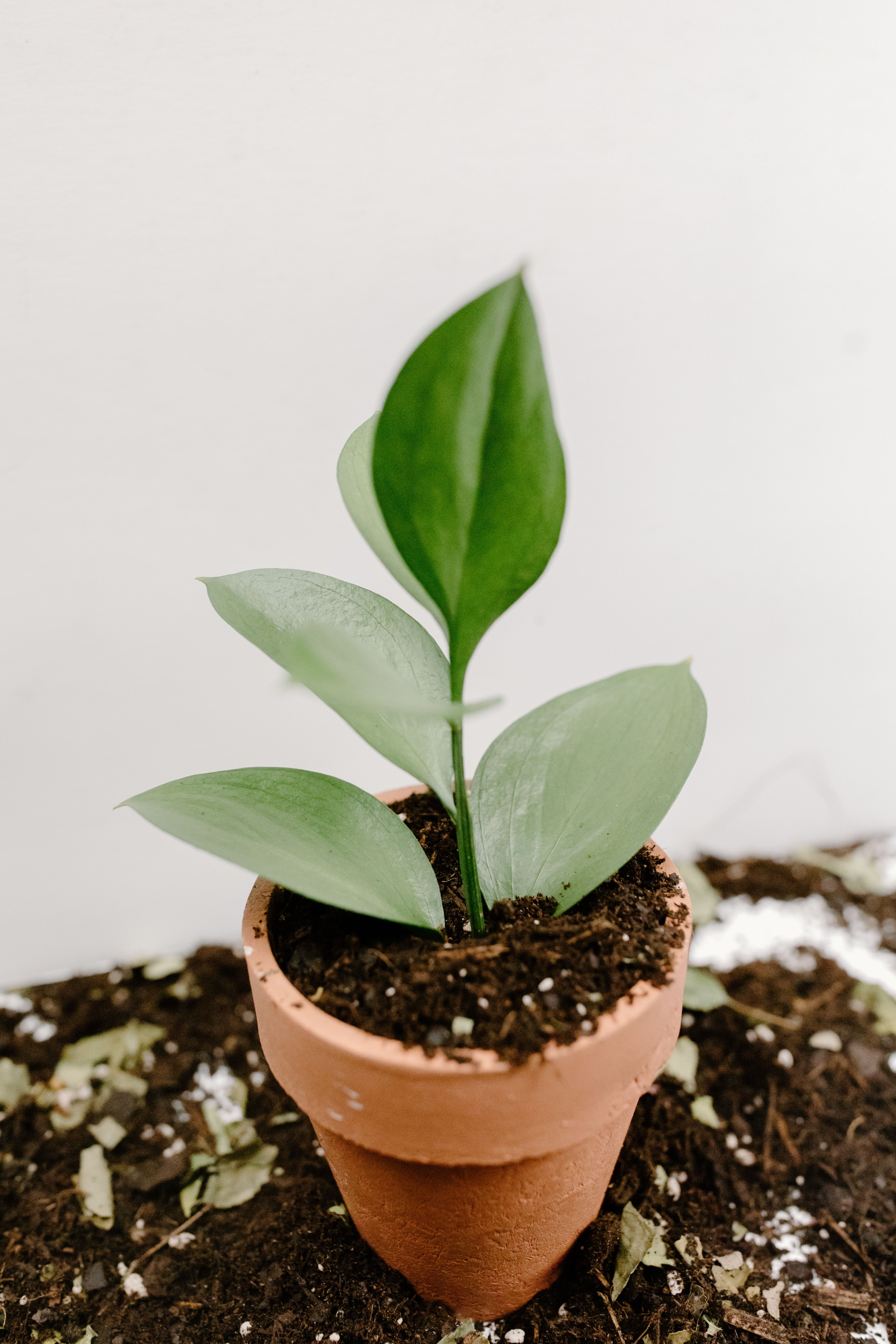
Winter houseplant watering starts with a check of each pot, not a date on the calendar. Keep a reminder to check your plants, but let their individual needs and the moisture in the potting mix decide whether you pick up the watering can.
Iowa State University Extension says houseplants generally need watering less often in winter, with frequency depending on the species, potting mix, light, temperature and humidity. “Less often” is a starting point for observation, not a rule to halve every plant’s water or leave every pot dry. Iowa State’s winter watering advice
This routine is for ordinary houseplants growing in potting mix in containers with drainage holes. Orchids in bark, air plants, carnivorous plants, terrariums and self-watering or hydroponic systems need their own care instructions.
Start with the plant’s name
Find the label or confirm the plant’s identity before choosing a moisture target. Write its name beside its location in a phone note. Then add the watering guidance from a reliable plant-specific source, such as an extension service or RHS plant guide, including any seasonal advice. “Living-room plant” is a useful location, but not enough information to decide how dry its mix should become.
For example, the Royal Horticultural Society describes indoor ferns as generally preferring moist, not waterlogged, potting mix. For a fern with those requirements, winter is not a reason to let the mix dry out completely. RHS indoor fern guidance
For drought-tolerant cacti and succulents, the RHS warns that damp conditions, particularly in winter, can lead to rot. Check the particular plant’s needs rather than applying one succulent rule to every species or growth stage. RHS cacti and succulent guidance
Notice what has changed in the room
Do not assume that winter makes every pot stay damp longer. Central heating can lower humidity and speed drying, while plants in a cool room may need watering less often than those in a warm one. The RHS recommends checking whether a pot needs water rather than watering routinely. RHS houseplant growing guide
Add a short note when the heating comes on, you move a plant or its usual daylight changes. That gives you something useful to compare with later observations. A plant moved from a cool spare room to a heated living room should not automatically inherit its old watering pattern.
Make the reminder a check rather than a command
Name your reminder “check plants”, not “water plants”. Work through the pots individually:
- Check the mix. Feel below the surface where you can do so gently, and compare what you find with the plant’s moisture requirements. A dry surface alone is not a watering signal for every species; follow the guidance for your particular plant.
- Use weight as a second clue. If a pot is small enough to lift safely, notice how it feels compared with previous checks. Drier pots are lighter. Compare the same pot over time, not a terracotta pot with a different plant in plastic.
- Choose an action. Water if the plant has reached its appropriate watering point. Wait if it is still moist enough. If the observations do not fit the plant’s care guidance, investigate rather than pouring in water just to complete the reminder.
The RHS supports checking moisture below the surface and using pot weight as a clue. Neither replaces knowing the plant’s requirements. RHS plant health checks, RHS watering guidance
Let the pot drain after watering
For the plants in potting mix covered here, water the mix thoroughly until water runs through the drainage holes. Let the pot drain, then discard collected water. Iowa State recommends this approach rather than leaving the excess in place. Iowa State’s winter watering advice
If a nursery pot sits inside a decorative outer pot, include the outer container in your check. Do not return a drained plant to collected water. Protect furniture while watering, and make emptying the saucer or outer pot part of the same job.
Do not diagnose thirst from drooping leaves
Wilting can accompany both too little water and overwatering. Check the mix and look for collected water before adding more. The RHS also identifies temperature and humidity as possible sources of trouble, so a struggling plant needs a broader check than its watering history alone. RHS plant health checks
A radiator nearby or a plant trapped behind closed curtains against a cold winter window is worth noticing. Check the species’ temperature needs before relocating it. If the plant keeps deteriorating, seek plant-specific advice rather than repeatedly changing the water amount on the strength of one symptom. RHS temperature guidance
Record the decision you actually made
A useful note has four entries: plant and location, date checked, what you found and what you did. For example: “Boston fern, study; 2 November; mix still moist, no collected water; did not water.” For a plant that needed water, record that you watered and emptied the saucer.
These are observation notes, not promises about the next watering date. If a pot is approaching its watering point, check it again sooner; adjust your reminders as you learn how it behaves. There is no need to make every plant’s care fit the same day. Finish with each pot accounted for, including the ones you correctly left alone.