We may earn a commission when you buy through links in this article. As an Amazon Associate I earn from qualifying purchases.
This buying guide is based on published product information, not hands-on testing.
A round French oven and a covered rectangular casserole can look equally appealing on a table, but they suit different ways of cooking. Before choosing a colour, decide whether you need a pot for stovetop cooking and oven use, or a baking dish for recipes that begin in the oven.
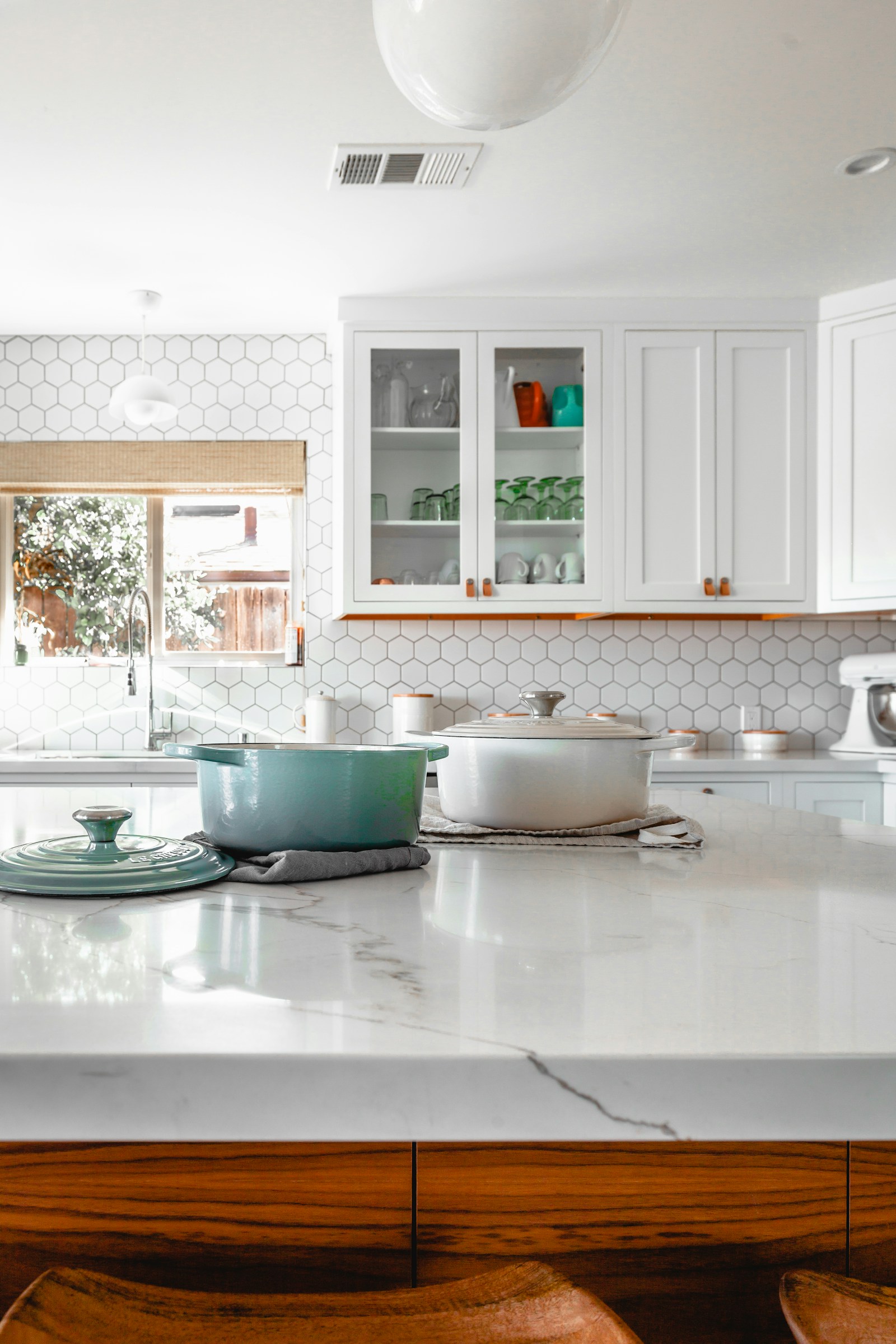
Two options illustrate the difference: a Le Creuset 5.5-quart Round French Oven in Cherry/Red and a 4-quart covered rectangular casserole in Riviera. The important distinction is enamelled cast iron versus stoneware.
Choose the French oven for stovetop-to-oven cooking
Le Creuset's round enamelled cast-iron cookware is suited to simmering, braising, slow cooking and baking. The material retains heat, and the enamelled finish does not require the routine seasoning associated with bare cast iron.
It is compatible with cooktops including induction. That makes this type of pot useful for a recipe that starts on the stovetop and finishes in the oven, provided you follow the heat limits for the exact pot, lid and knob.
Check the knob and its stated temperature limit before using any covered pot for a high-temperature recipe. A rating attached to another version should not be assumed to apply to the one you buy.
Also consider the physical lift. You will move the pot with food inside, sometimes with a heavy lid to handle separately. Choose storage and an oven position that make those movements manageable.
Product: Le Creuset Round French Oven, Cherry/Red, 5.5 quarts
View this model on Amazon Canada
Choose stoneware for oven dishes and serving
The covered rectangular casserole is stoneware. The selected Riviera listing has a 4-quart capacity and a nominal 12-by-9-inch format, making its rectangular shape worth considering for baked pasta, layered dishes and other oven recipes.
Stoneware has different use limits from cast iron. This casserole is for uses such as oven baking and microwave reheating; it cannot go on the stovetop. If a recipe requires browning ingredients on the stovetop, do that in suitable cookware before transferring them to the baking dish.
The cast-iron French oven must not go in the microwave.
A lid can be useful for covered recipes and storing leftovers, but it should not be assumed to create a spillproof seal for transport.
Product: Le Creuset covered stoneware rectangular casserole, Riviera, 4 quarts
View this model on Amazon Canada
Buy the size for your recipes and kitchen
Capacity is only one measurement. Check the complete outside dimensions, including handles and lid, against your oven, cupboards and available counter space. Nominal baking dimensions do not describe the full footprint.
Look at the recipes you cook repeatedly. A deep, round pot suits a different arrangement of ingredients from a shallower rectangular dish. Leave the working space your recipe needs rather than planning to fill either vessel to the rim.
Listings may use quarts while Canadian product pages use litres. Match the exact model and stated capacity instead of assuming two similarly sized listings are identical.
Care for the finish
Follow the care instructions for each material. For enamelled cast iron, Le Creuset advises gradual heating and generally low-to-medium heat. Use oven mitts and let cookware cool before washing. Avoid sudden temperature changes that can damage cookware.
Frequently asked questions
Can the stoneware casserole replace a French oven?
It can suit some oven-baked recipes, but it cannot take over stovetop steps. Choose according to the cooking method and the recipe's shape and capacity requirements.
Does an enamelled cast-iron French oven need seasoning?
No. Le Creuset's enamelled cast iron does not need seasoning like bare cast iron. Follow its cleaning and heating guidance to care for the enamel.
Sources
For another kitchen choice based on your daily routine, see our Cuisinart temperature-controlled kettle buying guide.